Need stamped concrete help in San Leandro?
Planning a new driveway or patio? Send a short request and a provider in our network will reach out with next steps and a written quote.
No obligation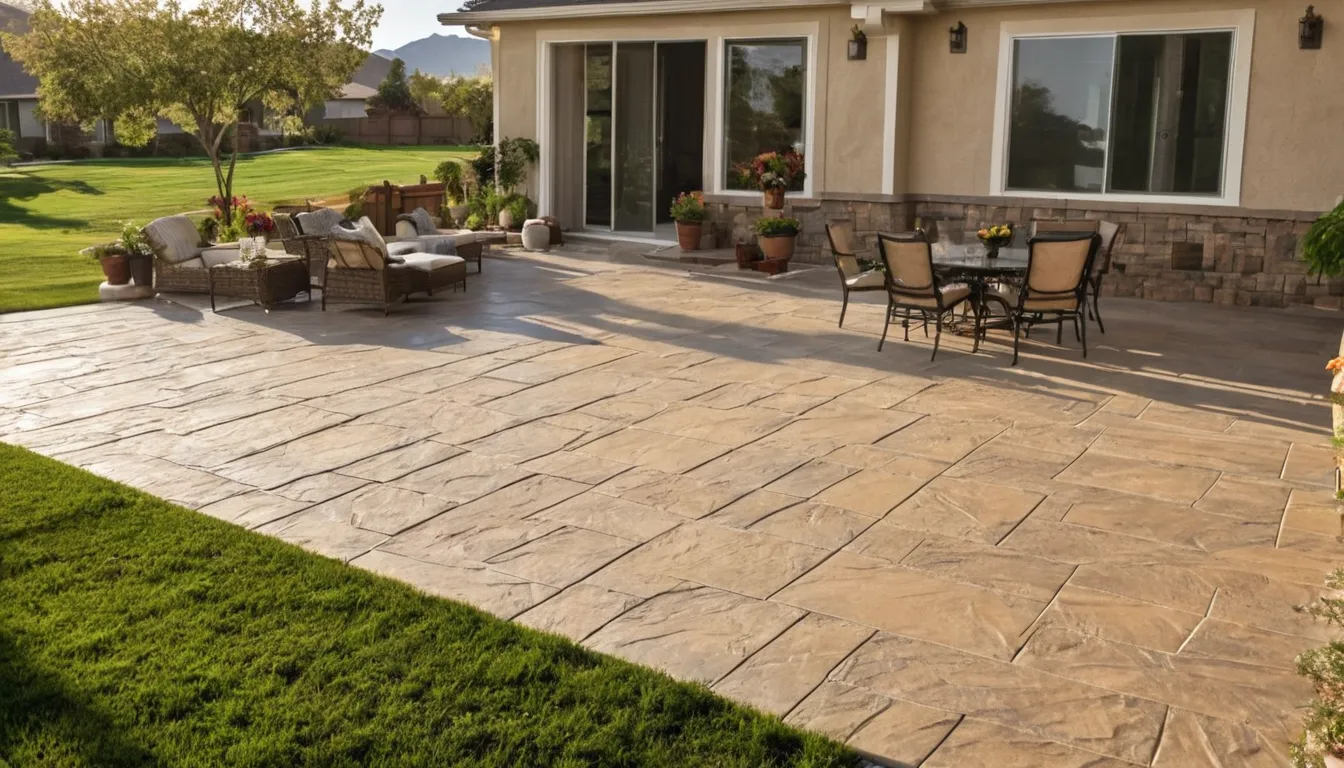
Request a written estimate today
Stamped concrete is poured concrete with a pattern pressed into the top. It can look like stone, brick, or wood. It costs less than most real stone. Many homeowners pick it for patios, walkways, and drives.
Myndpay Concrete is a referral service. We do not pour concrete. We connect you with independent providers in our network who do this work. Share your plans, and a local provider can review them. Ask for a quote on paper before any work starts. That way you know the price, the pattern, and the scope up front.
You want a patio or walkway that looks like stone or brick. You also want a fair price. Stamped concrete can do both.
This page covers new work. It is not about concrete driveway repair. Flat slabs like patios and walks are called concrete flatwork. A provider in our network can pour that kind of work for you.
Four steps turn plain gray concrete into a patterned surface.
The provider clears the area and sets the slope so water runs away. Then the crew packs a gravel base and builds wood forms for the edges. A firm base keeps the slab from sinking.
Concrete goes into the forms. Color can be mixed in or added on top as a powder. Mixed-in color runs deeper. Powder on top often gives richer tones.
While the slab is still soft, workers press rubber mats into it. The mats leave the look of stone, brick, or wood. Timing matters. Press too soon and the surface slumps. Press too late and the pattern will not take.
After the slab cures, the provider adds a sealer. Sealer is a clear coat. It blocks stains and water and brings out the color.
Slate and random stone are common picks. Brick herringbone suits older bungalows. Wood plank styles work well around pools and decks.
Warm tans, soft grays, and earthy browns are easy to live with. Sand and cream tones suit stucco ranch homes. Match the color to your trim and roof, not just a sample chip. Look at samples outside, in daylight.
It fits patios, walkways, pool decks, entry steps, and driveways. Dry seasons are easy on fresh concrete. Mild coastal weather is gentle on it too.
Winter rain can make any smooth surface slick. Ask about a grip additive in the sealer. In smoke season, ash settles on everything. A sealed slab rinses clean with a hose.
Many 1950s to 1980s tract homes have a plain, worn slab out back. A new stamped patio can lift the whole yard.
Check the ground near the house first. If a slab has sunk or cracked near the wall, talk to foundation repair experts before you pour anything new. Fix the cause first.
Pavers are loose pieces of stone or concrete set in sand. Stamped concrete is one solid slab.
Stamped concrete often costs less up front. It has no gaps for weeds. It sweeps easy. But a crack can show, and a patch may not match the color.
Pavers cost more in many cases. You can lift one piece and swap it. But pavers can shift or sink when the base is weak.
The right pick depends on your budget, your yard, and how you want it to look.
Most patios take a few days of hands-on work. Prep and forms come first. Pour and stamp usually happen in one day.
Then the slab needs time to cure. Foot traffic often waits a few days. Cars wait longer. Full strength takes about four weeks. Ask the provider for exact dates.
Dry weather helps. A winter rain event can push the pour back. Request a callback to check provider availability for your dates.
Care is simple. Sweep often. Rinse with a hose and mild soap. Wipe up oil and spills fast.
Reseal about every two to three years. Ask the provider which sealer they used. Use low pressure if you wash it with a power washer. Keep planters off the surface so they do not leave stains.
Pour it right the first time. A good slab lifts curb appeal. Buyers notice it.
A bad slab does the opposite. Poor slope sends water toward the house. Over time that can lead to a bill from foundation repair experts. Ask how the provider will slope the slab and move water away.
Keep your paperwork. Save the quote, the invoice, and the sealer name. It helps when you sell.
Look for a provider who explains each step in plain words. Ask to see photos of past stamped work.
A quote on paper protects you both. It should name the size, the pattern, the color, the base work, the sealer, and the total price. It should also say how change orders work. Compare two or three quotes line by line.
Good providers book up when the weather is right. Start early. Measure your space, pick a few patterns, and ask for a written estimate. A little planning now protects the slab and your budget.
Stone, brick, slate, or wood looks, matched to your home and yard.
Providers can mix color into the concrete or add powder color on top.
A firm gravel base and proper slope help water run away from your house.
A clear sealer guards the surface and can add grip for wet winter weather.
Prices vary by size, pattern, and site. These are typical U.S. ranges only. Ask each provider for a written quote that lists every line, so you can compare them fairly.
| Item | Typical range | Notes |
|---|---|---|
| Stamped patio, installed | $8 – $18 per sq ft | Pattern and size change the total |
| Stamped driveway, installed | $10 – $20 per sq ft | Thicker slab and more base add cost |
| Site prep and gravel base | $2 – $6 per sq ft | Slope and soil can raise the price |
| Color (mixed in or powder) | $0.50 – $3 per sq ft | Dark or custom colors cost more |
| Sealer, first coat | $1 – $3 per sq ft | Grip additive may cost extra |
| Removing old concrete | $2 – $8 per sq ft | Depends on thickness and access |
Share the size, the spot, and the look you want. Photos of your yard help a lot.
We connect you with an independent provider in our network who handles this kind of work.
Check the size, pattern, color, base, sealer, and total price before you agree.
The provider preps, pours, stamps, and seals. You approve the finished slab.
A well-poured slab adds curb appeal and shows buyers the home was cared for.
You get a written quote before work starts, so the price is clear.
Independent providers in our network know local soil, weather, and housing styles.
Request an estimate with no obligation, and take your time to compare.
Planning a new driveway or patio? Send a short request and a provider in our network will reach out with next steps and a written quote.
No obligationTypical U.S. prices run about $8 to $18 per square foot. Size, pattern, color, and site prep change the total. Get a written quote so you can see what each line covers.
With good prep, a sound base, and regular sealing, a stamped slab can last many years. Cracks can still happen, so ask the provider how they place control joints, which guide where the concrete may crack, and how often to reseal.
Neither wins every time. Stamped concrete often costs less up front and has no weedy gaps. Pavers are easier to swap piece by piece. Compare quotes and talk through the trade-offs with a provider.
San Leandro Redwood City San Mateo Berkeley Concord Danville San Ramon Fremont Alameda Daly City Lafayette Mountain View
Planning a new driveway or patio? Send a short request and a provider in our network will reach out with next steps and a written quote.
No obligation