Need concrete driveways in San Leandro?
Planning a new driveway or patio? Send a short request and a provider in our network will reach out with next steps and a written quote.
No obligation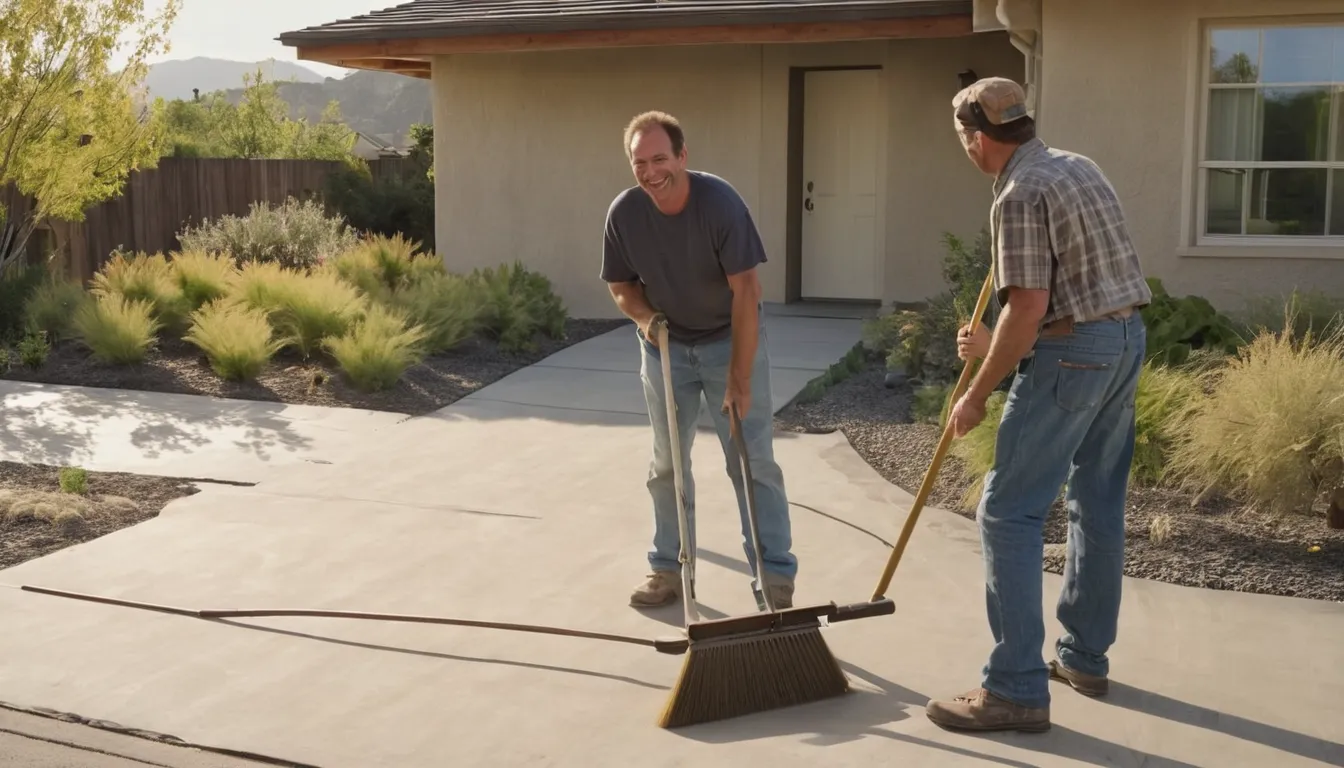
Request a written estimate
A driveway is the first thing people see at your home. It also carries your cars, your bins and every guest. When the slab fails, the whole property looks tired. A sound new one protects the house and its value.
Myndpay Concrete is a referral service. We do not pour concrete. We connect you with independent providers in our network who handle new driveway work across the San Leandro area. You share your project. A local provider reviews it and gives you a quote on paper. Ask questions and compare quotes before you choose. Pour it right the first time, and the slab can serve your home for decades.
A failing driveway is more than an eyesore. It can trip a guest, scrape a car and send water toward your walls. A sound one adds curb appeal. It also helps when you sell.
Walk the drive and look for these:
One or two of these is a warning. Several at once means it is time to plan.
Check where the water goes. If the slope sends it toward the garage or walls, act sooner. Wet soil near a foundation can cause bigger trouble than the driveway itself. After a long dry season, a heavy winter rain shows every low spot.
Some cracks run along the house wall or keep growing. That can mean the soil is moving. A provider may suggest that foundation repair experts look at the home before any new pour. Fix the cause first. This matters on older bungalows and tract homes from the 1950s to the 1980s, where slabs have aged.
Concrete driveway repair suits small, stable problems. Think of one hairline crack or a small chip. It works poorly on a slab that sinks, crumbles or cracks in many places. Patches often show, and they can fail again. Ask each provider to explain both paths in writing.
Drives, walks and patios fall under concrete flatwork. That means flat, poured surfaces. A typical driveway job has these steps:
The base matters most. A weak base makes a weak slab.
A one-car drive is often about 10 feet wide. A two-car drive runs 18 to 24 feet. Think about guest parking, bins and turning room. A wider slab costs more. A tight one scrapes car doors.
Most home drives are about 4 inches thick. A heavy truck or an RV may need 5 or 6 inches. Mix strength is measured in PSI, which means pounds per square inch. Many home drives use 3,500 to 4,500 PSI. Ask what the provider plans to use.
A broom finish leaves light ridges that grip tires and shoes. Smooth troweling looks clean but gets slick when wet. Exposed aggregate shows small stones in the surface. Color and stain add style. Stamped looks are possible too, but they cost more. Stamped concrete patios have their own page. Near the coast, lighter colors stay cooler in the sun.
The apron is the part of the drive between the sidewalk or curb and the street. The city often controls it. Rules can cover width, slope and curb cuts. Some places need a permit. Some neighborhoods have an HOA with its own rules. Ask who handles the paperwork. A missing permit can cause trouble at resale.
Long dry seasons are good for pouring. Winter rain can mar a fresh surface. Hot, dry days make concrete set too fast, so crews often wet or cover it. Smoke and ash can settle on a wet slab, so ask about covers. Mild coastal weather gives more pour days.
Size, thickness, old slab removal, base work, finish and access all change the total. Permits add to it. The cost table on this page shows typical U.S. ranges.
Request a callback to check provider availability in your area.
Take your time. Try this list:
A good quote lists the size, thickness, mix, finish, removal and start window. It also shows the payment plan and any written terms from the provider. When two quotes differ, compare them line by line. The gap is usually in the base work.
Keep feet and pets off for a day or two. Wait about a week before parking cars. Heavy trucks need about a month. Keep sprinklers off the slab at first. Your provider will give exact timing, since weather and mix change it.
Sweep it often. Clean oil spills fast. Reseal every few years. Keep roots trimmed and point downspouts away. Fill small cracks early. A well kept driveway helps your home's value.
Providers break out the failed concrete and haul it off so the new pour starts clean.
Crews level the ground and pack gravel so the slab sits firm and drains well.
Edges shape the slab. Steel bars or mesh help hold it together over time.
Concrete goes in, gets leveled and finished, then cut with joints to guide cracks.
These are typical U.S. ranges. Your price depends on size, soil, access and finish. Always get a written quote before work starts.
| Item | Typical range | Notes |
|---|---|---|
| One-car driveway | $2,000 – $4,500 | About 10 by 20 feet, basic finish |
| Two-car driveway | $3,500 – $8,000 | About 20 by 20 feet, basic finish |
| Old slab removal | $500 – $2,000 | Depends on thickness and haul-off |
| Base prep and grading | $500 – $2,500 | Higher for slopes or weak soil |
| Color or stone finish | $2 – $8 per sq ft | Added on top of basic concrete |
| Permit and apron work | $100 – $1,500 | Varies by city and local rules |
Tell us the size, the problem and your timing through the request form.
A local provider in our network reviews your details and reaches out to you.
Check size, thickness, finish and price. Ask questions before you agree to anything.
You and the provider set the dates. The provider handles the work and cleanup.
A clean, sound driveway lifts curb appeal and shows buyers the home has been cared for.
A proper slope sends rain away from the garage and walls, which protects the foundation.
A written quote lists every line, so you can compare providers and avoid surprise costs.
Providers in our network know nearby soil, weather and city rules.
Planning a new driveway or patio? Send a short request and a provider in our network will reach out with next steps and a written quote.
No obligationMany U.S. jobs run about $6 to $15 per square foot. A basic two-car drive often lands between $3,500 and $8,000. Size, removal, base work and finish change the total, so get a written quote.
A well built slab on a firm base often lasts 25 to 30 years or more. Soil, drainage, thickness and care all matter. Sealing it and filling small cracks early can help it last longer.
Most providers say to stay off with feet for a day or two. Cars usually wait about a week. Heavy trucks wait about a month. Ask your provider, since the mix and weather change the timing.
San Leandro Redwood City San Mateo Berkeley Concord Danville San Ramon Fremont Alameda Daly City Lafayette Mountain View
Planning a new driveway or patio? Send a short request and a provider in our network will reach out with next steps and a written quote.
No obligation